
Nissle.
It just took two decades to build the frame for it.
Nearly twenty years of putting a camera in front of people and asking the questions that get to what's real. But the story behind the camera goes back much further — to a family that understood what photography actually is. Not content. Not output. Evidence of a life. Memory made tangible. Legacy preserved before it disappears.
Cinematic Work
Documented
Networks
The Return
This didn't start
with me.
It started at
Clifton's.
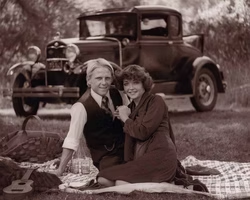
The film. Kenneth behind the lens. D.A. in the frame. Clifton's, 1940s.
There is an old film from the 1940s. My grandfather shot it. The woman in the frame would become my grandmother. And the place where it was filmed — a famous cafeteria in downtown Los Angeles — is where the Nissle photography legacy actually began.
Kenneth Nissle and Dorothy Albright — D.A., as she was known — met at Clifton's Cafeteria in Los Angeles. She had just been hired as a "camera girl." He was behind the lens. They would eventually marry, have four children, and together run the photography studio at Clifton's for years — photographing people who came in, capturing their image, sending them home with something tangible that proved they had been there, that they had been seen.
Kenneth's sister Marion and his brother Frederick were part of it too — a family business in the truest sense.
Clifton's wasn't just a restaurant. It was an atmosphere — layered, nostalgic, full of soul and memory. The kind of place that gave people something to remember. The Nissles were part of that. Their work wasn't decoration. It was documentation.
My father carried that forward. He was a photographer. And somewhere along the way, I picked up a camera too — not because it seemed like a good career, but because it was already the family language. Image. Light. Composition. Preservation. The act of making a moment matter before it passes and disappears.
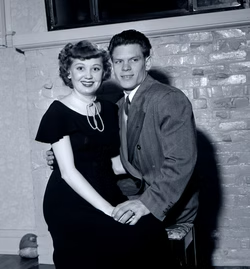
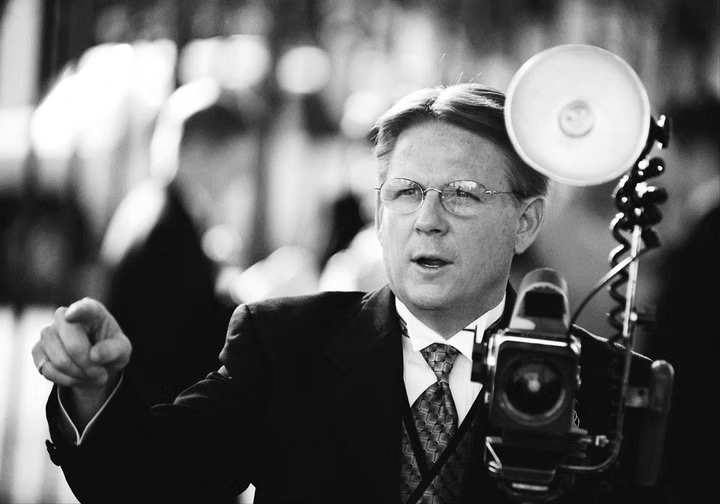
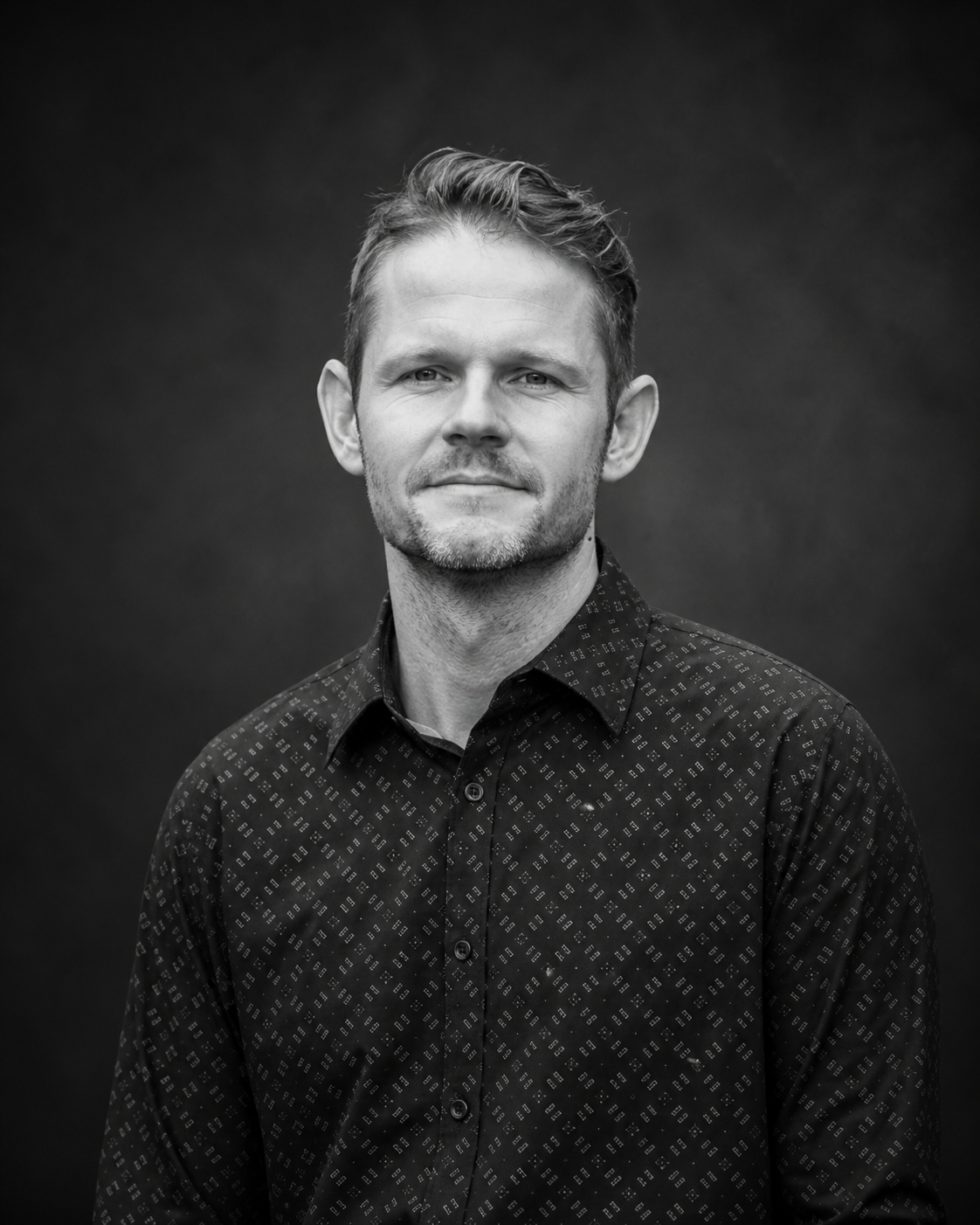
They documented people. My dad documented people. I document people, businesses, founders, and stories. The tools have changed. The purpose hasn't.
Documentary isn't a format.
It's a way of seeing.
There's a specific skill in documentary interviewing that takes years to develop — and most people never quite name it. It's not the question. It's knowing when to stay quiet after the question. It's recognizing the difference between the answer someone prepared and the answer that's actually true. It's understanding that the most important thing a person says in an interview is usually the third thing they say, not the first.
That skill — developed over two decades of broadcast and brand work — is the core of everything Narratv does. The Narratv Method™ is structured interview work. The Narratv Film™ is documentary filmmaking applied to brand authority. The Reveal™ is a diagnostic process rooted in the same analytical discipline that makes documentary subjects coherent and watchable.
That's the standard. Honesty is rare in marketing. When people encounter it, they lean in. The goal is never to manufacture something that sounds right. It's to capture something that already is.
"Getting back to your root"
is not a branding idea.
I've had to live it.
Survival, responsibility, pressure, old patterns — they pull a person away from who they actually are. There was a chapter of my life that was deeply challenging in ways I'm still learning from. I don't tell that story from a place of victimhood because that's not what it is. What it is, is authority. I know the cost of disconnection because I paid it.
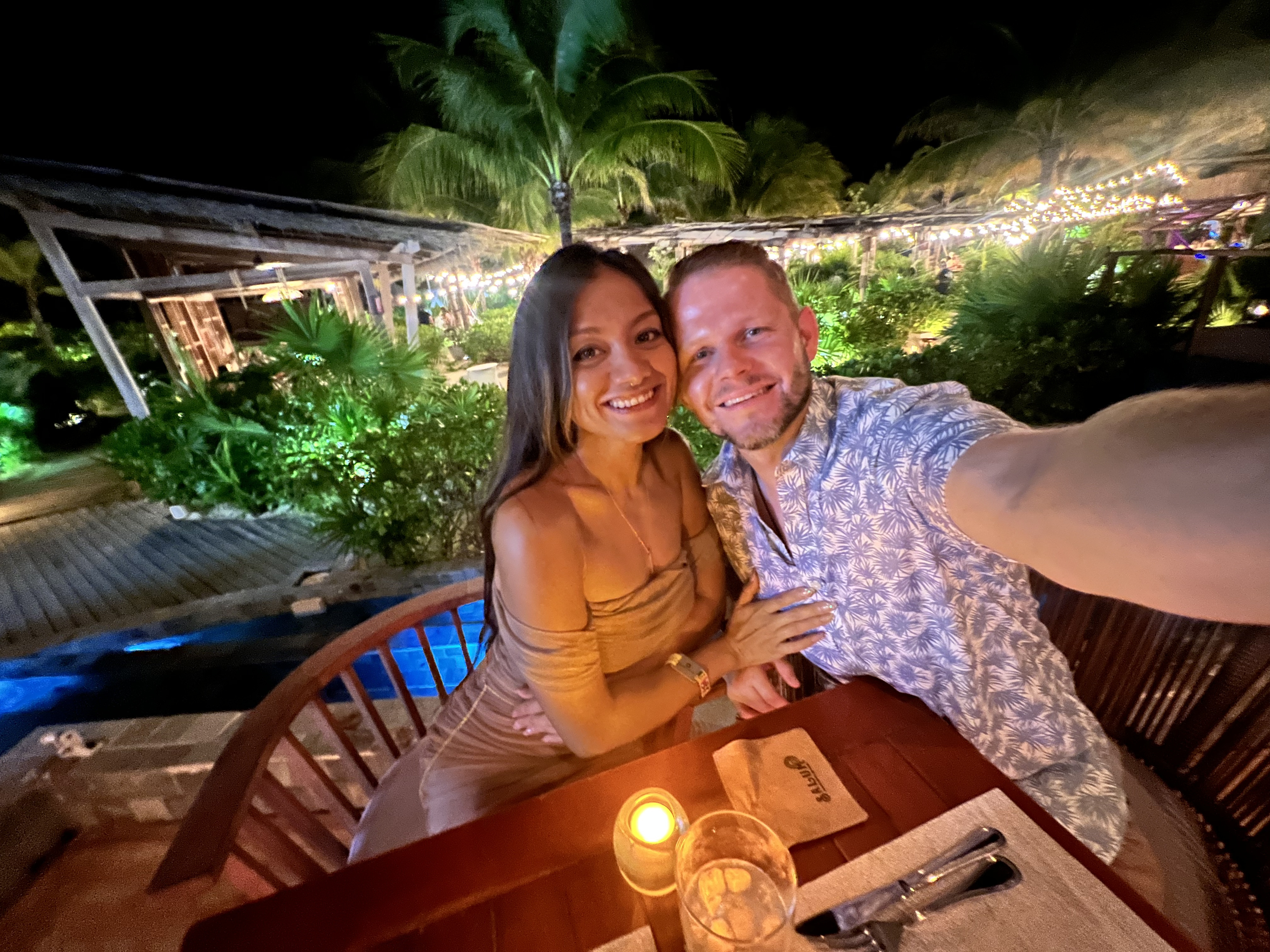
The return didn't happen all at once. It happened through pain, reflection, accountability, and love. It happened through being confronted by the parts of myself I'd avoided. Through realizing that the life I wanted couldn't be built from old patterns. Through fatherhood. And through meeting someone who was already doing the work I was just beginning to understand.
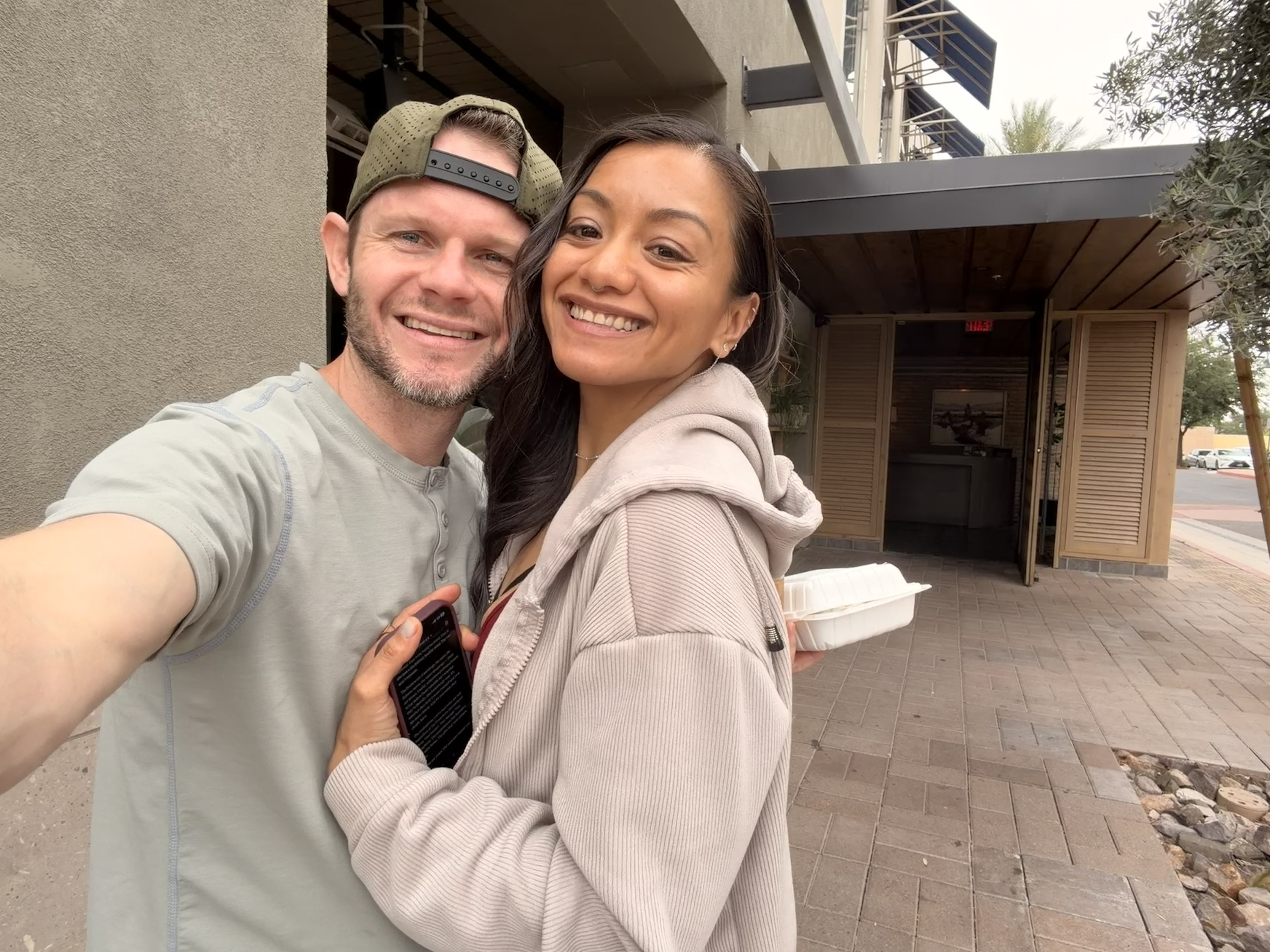
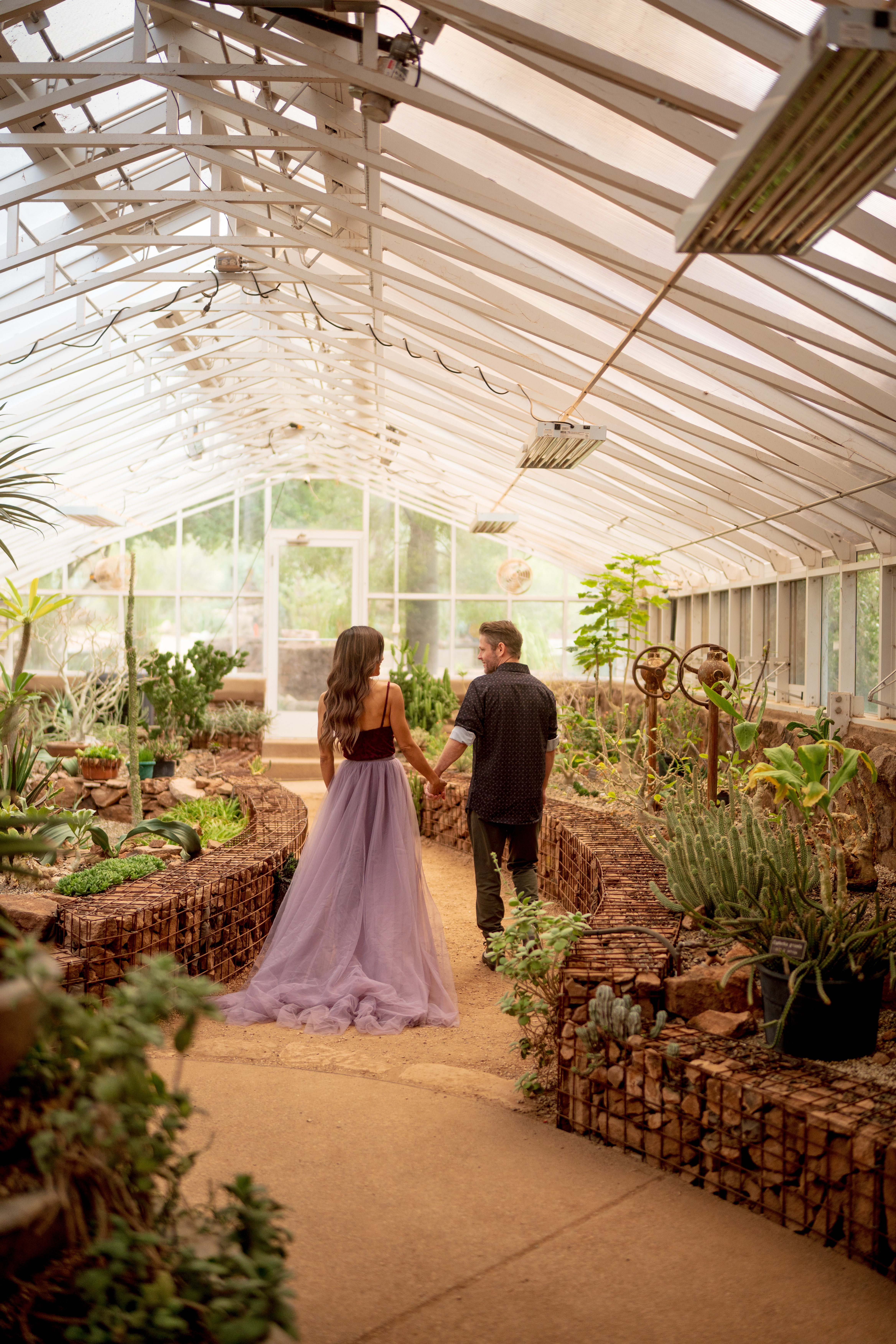
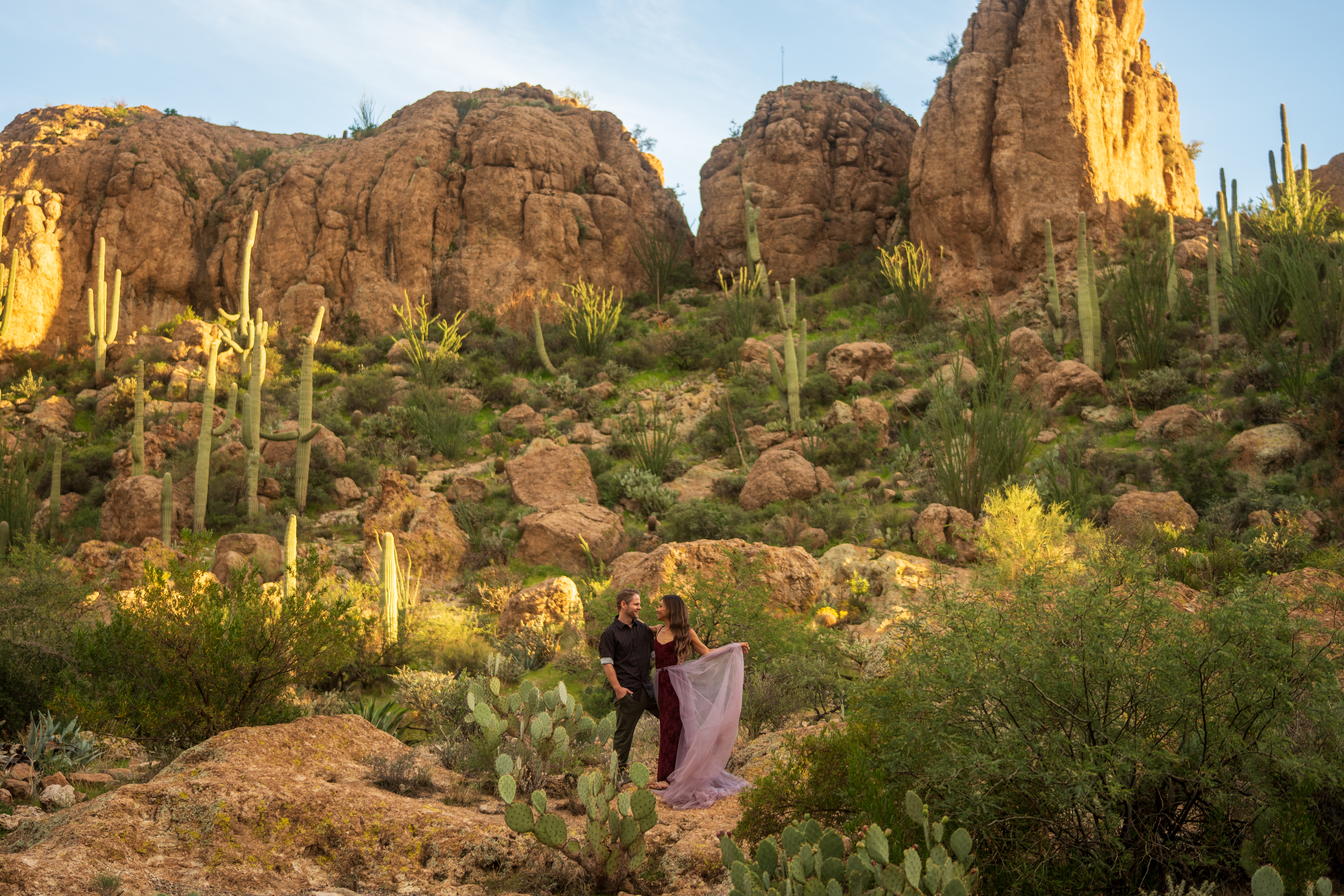
That experience is the real source of the Narratv Method™. Root, Core, Voice didn't come from a marketing framework. It came from living the opposite — being disconnected, being unclear, having a voice buried under fear and old patterns — and then doing the work to come back. I built a methodology from what I had to live through. That's why it works. And that's why I can recognize it immediately in the founders I sit with.
Functioning but not fully alive. Producing content without a clear reason. Performing for an audience instead of building from conviction. Operating from fear or obligation instead of from what you actually believe.
Remembering what you care about. Remembering what you're here to build. Remembering what you believe. Remembering the voice underneath all the noise. That's not a spiritual exercise — it's the most strategic thing a founder can do.
A lot of founders are where I was. They are busy, producing, reacting. But somewhere underneath it all, they have lost the original fire — the deeper conviction, the story that actually matters. Narratv exists to help them remember. Not in a sentimental way. In a clear, structured, strategic way.
The media is the output. The remembering is the work.
The work has been
at the highest level.
Before Narratv, the camera went to broadcast. The craft was built in rooms that demanded precision, speed, and the ability to capture what was real — not what was rehearsed.
Broadcast work taught the discipline of getting it right under pressure, in real time, with no second takes. That discipline is now applied to the businesses and founders Narratv documents.
The conviction behind
every frame.
Every founder I've ever worked with had a story worth telling. The problem was never that they didn't have one — it was that they'd spent years smoothing it into something marketable. The work is always excavation, not invention. The real story is always more compelling than the polished version.
The word "authentic" has been so overused it means nothing. What I mean is simpler: say the true thing, in the way you'd actually say it, without the buffer of marketing language. People can feel the difference instantly. The businesses that operate from this place build trust faster than anything a strategy could manufacture.
A well-made brand film isn't a marketing asset. It's infrastructure — something that builds trust before anyone makes contact, answers objections before they're asked, and lets the right people self-select in without you having to chase them. The businesses that understand this build differently. They stop fighting for attention and start attracting it.
I didn't develop the Narratv Method™ from a book or a positioning framework. I developed it because I've lived disconnected from my own root and I know what it costs. I know what it looks like when a founder has drifted so far from their original conviction that they can't articulate why they started. I recognize it immediately because I've been there. That's not a liability. That's the authority behind the work.
Narratv is
the full frame.
Twenty years of work pointed toward a single system — four phases that take a business from diagnosis to documented authority. The Reveal shows the gap. The Method closes it. The Media Day builds the library. The Film makes it permanent.
My grandparents documented people at Clifton's. My father documented people. I document founders, businesses, and stories. The tools have changed. The belief hasn't — that a person's story, a business's origin, a brand's conviction is worth preserving before it gets lost in the noise of a world drowning in content but starving for meaning.
This brand comes from memory. It comes from photography. It comes from Clifton's. It comes from Kenneth and Dorothy. It comes from a family that understood the power of an image — and from my own desire to carry that forward.
Narratv is the public brand.
NGN Pictures · A Nolan Garrett Nissle Pictures Company · Phoenix, Arizona
Your story
is already there.
The same thing my grandparents knew at Clifton's is still true today — people have stories worth preserving, and most of them never get captured clearly enough to last. The Narratv Reveal™ is where that changes. A 48-hour diagnostic that shows you exactly where your brand authority stands — and what to build from here.
Questions? [email protected]